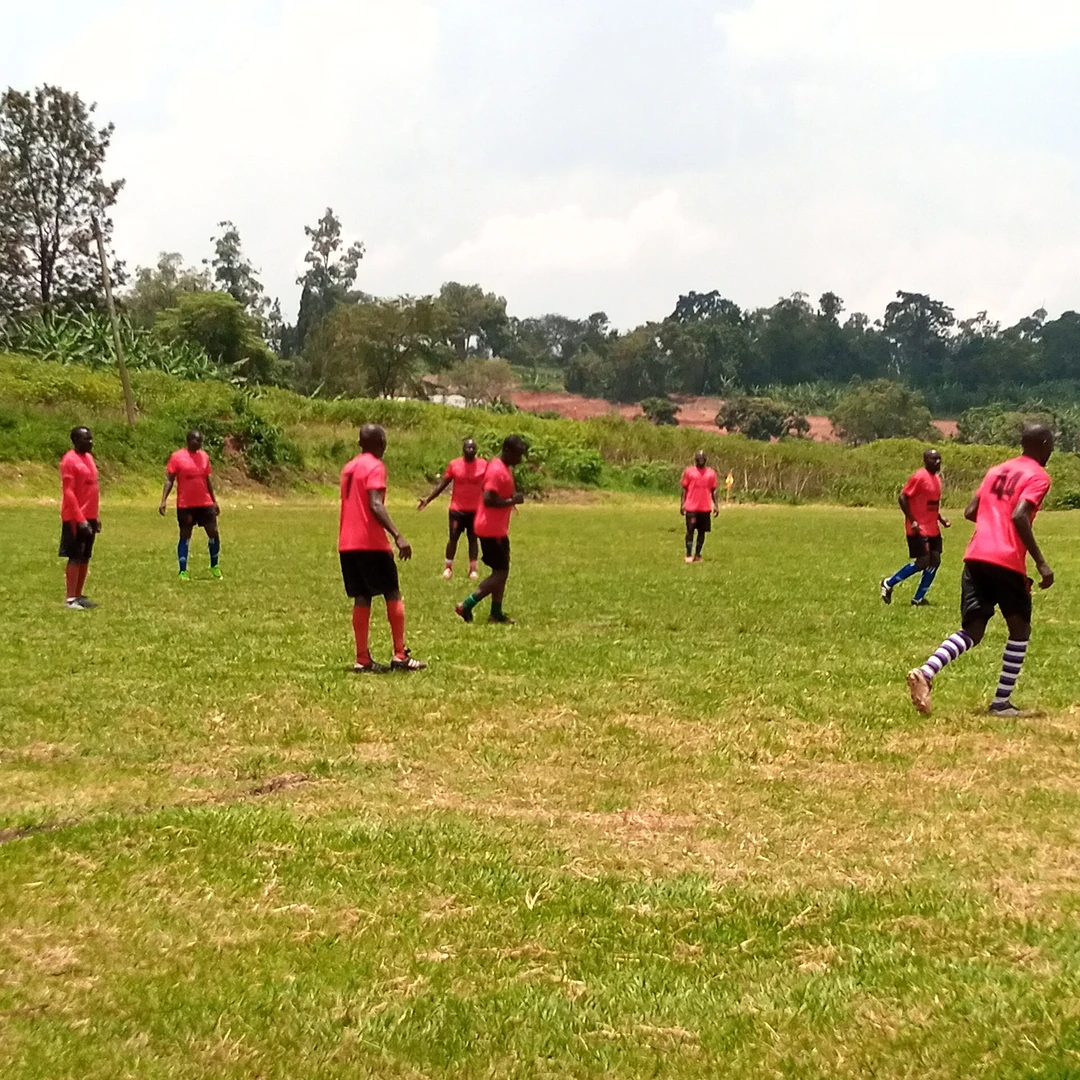
Movement: think general health, not prostate cure
Regular physical activity supports cardiovascular, metabolic and mental health. For someone with pelvic discomfort, the practical question is whether a specific activity feels tolerable and whether symptoms change with long periods of sitting or with certain exercises. If an activity consistently worsens pain, discuss that pattern with a clinician or physiotherapist rather than assuming exercise itself is harmful.
Hydration: steady, not extreme
Drinking enough fluid is part of normal health. Very large amounts can also increase urinary frequency, making symptom tracking confusing. During treatment of bacterial prostatitis, clinicians may sometimes advise fluids and reducing substances that irritate the bladder. Individual advice should come from a professional who knows your circumstances.
Sleep and stress
Persistent symptoms can disrupt sleep and increase stress; stress may also influence chronic pelvic pain for some people. A consistent sleep window, regular meals and manageable activity can create a steadier baseline from which changes are easier to notice.
Food: avoid the cure narrative
There is no universal “prostatitis diet”. NIDDK notes that researchers have not established diet and nutrition as causes or prevention of prostatitis. If a particular food or drink seems to worsen bladder symptoms, note the pattern and discuss it rather than turning a short-term observation into a rigid restriction.

A simple weekly framework
- Keep meals and fluids reasonably consistent.
- Move regularly in ways that feel tolerable.
- Protect sleep where possible.
- Record meaningful changes, not every minor sensation.
- Escalate red-flag symptoms instead of waiting for lifestyle changes to work.